Share:
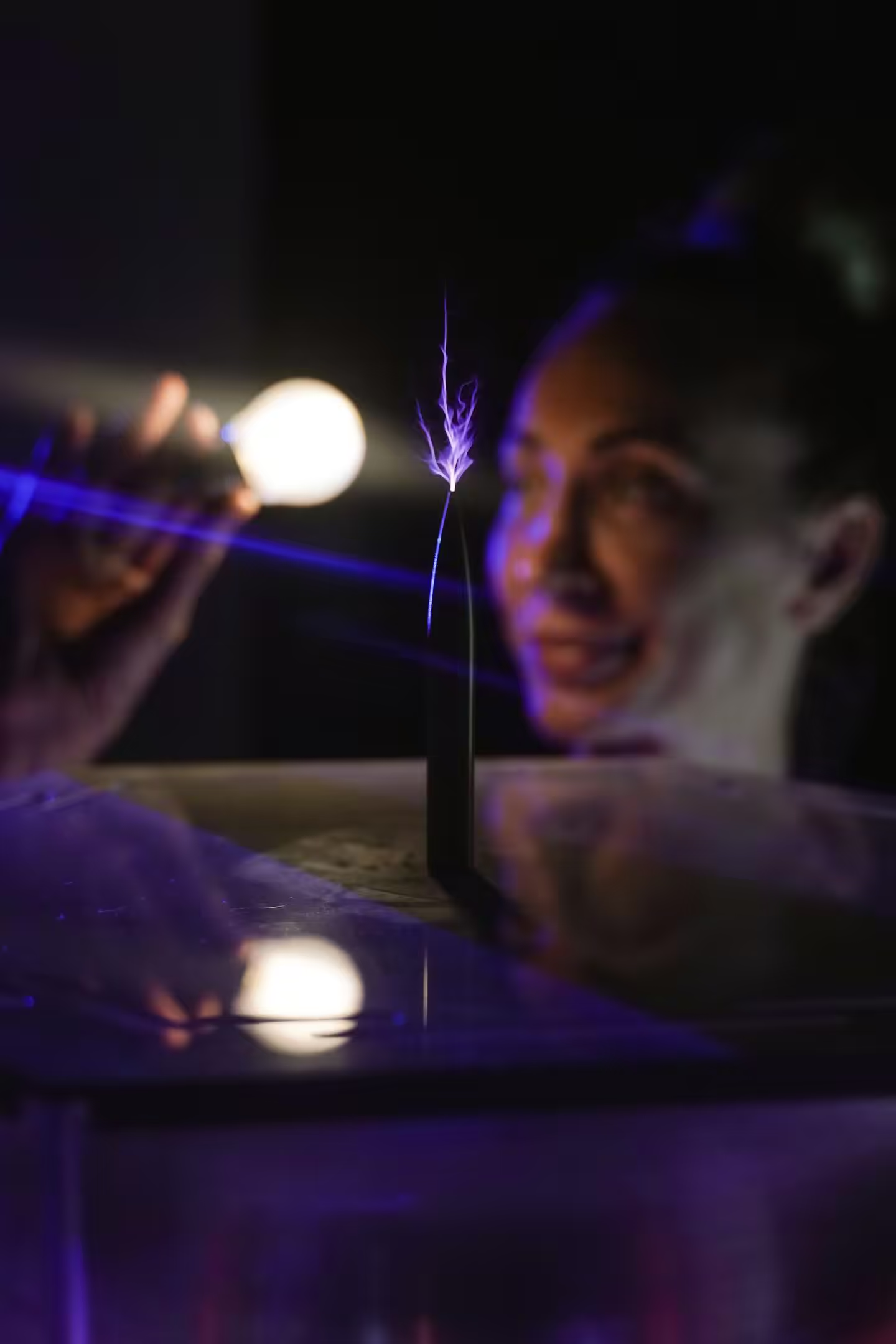
PEMF therapy (pulsed electromagnetic field therapy) uses devices that generate controlled pulses of electromagnetic energy. These fields are delivered at specific frequencies and intensities and may vary considerably depending on the device. PEMF systems are available for both personal and professional wellness settings, with differences in field strength, frequency range, application, and design.
PEMF therapy is a buzzword that’s been capturing the attention of health enthusiasts, physicians, and even athletes worldwide.
Yet, despite its growing recognition, many are still unsure what PEMF therapy is and how they can benefit from it. By the end of this post, you’ll know how PEMF therapy works, the different types of devices, and our recommendations if you want to try it.
This unique practice has gained popularity over the past few decades, with many people using it as a complementary wellness practice for a range of wellness goals. Let’s take a deeper look to understand the reason behind its popularity.
PEMF stands for Pulsed ElectroMagnetic Field. It is a method that utilizes electromagnetic fields to enhance cellular function in the body.
A PEMF machine generates pulses of electromagnetic energy that are applied to the body.
Electromagnetic fields also occur naturally in our environment, including the Earth’s magnetic field. PEMF devices generate controlled, time-varying electromagnetic fields using specific frequencies, intensities, and pulse patterns.
These pulsed electromagnetic fields interact with electrically responsive tissues in the body. The characteristics of that interaction depend on factors such as the device’s field strength, frequency, waveform, and method of application.
PEMF therapy is non-invasive and is used in a variety of personal, professional, and wellness settings.
As with most alternative wellness practices, PEMF therapy needs more research, but there is an extensive and growing body of data that supports its use as a complementary wellness practice for a range of wellness goals, with appropriate guidance. A clinical trial found PEMF has been shown to be supportive for people with persistent irritations. Another study found PEMF has been shown to be supportive for everyday comfort. Remember to always consult with your doctor before starting any new wellness routine.
Yes, PEMF has been studied and has evidence supporting certain applications; however, results and the strength of evidence vary by application and device, and research into broader wellness uses is ongoing.
PEMF therapy is generally considered non-invasive, but individual experiences can vary by device, settings, and the person using it. Some people report sensations such as tingling, warmth, or mild muscle twitching during a session, while others may feel little or nothing at all.
These sensations may occur during use and do not necessarily indicate that the session is more or less effective. Follow the manufacturer’s instructions for the specific PEMF device you’re using, including guidance on session duration and intensity.
PEMF may not be appropriate for everyone. People with pacemakers, defibrillators, or other implanted electronic devices should follow device-specific safety guidance and consult a qualified healthcare professional before use. People who are pregnant or have questions about whether PEMF is appropriate for them should also speak with a qualified healthcare professional.
During a PEMF therapy session, a device delivers pulsed electromagnetic fields to a targeted area or the body, depending on the type of system being used. Sessions vary in length, intensity and application based on the device and selected settings.
During a session, you may notice warmth, tingling or a gentle pulsing sensation. Many people find the experience relaxing, while others feel very little. The sensation depends on the device, applicator and selected settings.
Some users may notice temporary muscle movement. If you experience discomfort or an unexpected sensation, pause the session and follow the manufacturer’s instructions for your device.
Drink water as part of your normal routine before and after a session. Follow the manufacturer’s guidance for session length and settings rather than using one routine for every PEMF device.
PEMF therapy has been studied in a variety of areas, including circulation, exercise and recovery, and sleep. Research is ongoing, and findings vary depending on the application, device, frequency, intensity, study population, and other parameters.
PEMF has been studied for its effects on circulation and vascular function. Some studies using specific PEMF protocols have reported changes in blood flow and vascular function. However, findings vary, and results from one PEMF device or set of parameters should not be assumed to apply to every PEMF system.
PEMF has also been studied in exercise and recovery settings. Research has explored its potential role as a complement to exercise and post-activity recovery. PEMF can be incorporated into a broader wellness routine alongside fundamentals such as rest, hydration, nutrition, and movement.
Research has also explored the use of pulsed electromagnetic fields in relation to sleep. Some studies have reported improvements in sleep-related outcomes with specific electromagnetic field protocols, although more research is needed and results should not be generalized across all PEMF devices or settings. Individual experiences can vary.
PEMF therapy may appeal to people looking for a non-invasive addition to their wellness routine. It is used in both personal and professional wellness settings, and people may explore PEMF for goals such as relaxation, recovery after physical activity, and overall well-being.
Athletes and people who engage in regular physical activity may also incorporate PEMF into a broader recovery routine alongside rest, hydration, nutrition, and movement. Research has explored the use of PEMF in exercise and recovery settings, although results vary depending on the device, application, and settings.
PEMF may not be appropriate for everyone. People with pacemakers, defibrillators, or other implanted electronic devices should follow device-specific safety guidance because electromagnetic fields may interfere with certain electronic implants. People who are pregnant should consult a qualified healthcare professional before using PEMF due to limited safety data during pregnancy.
If you have an implanted medical device, are pregnant, have a medical condition, or are unsure whether PEMF is appropriate for you, consult a qualified healthcare professional and follow the manufacturer’s safety guidance before use.
Different types of PEMF machines are available for home and business use. Each format differs in coverage, portability, controls and space requirements. Understanding those differences can help you decide which option fits your routine and setting.
Mat-based PEMF systems include a mat that sits on a bed or floor so you can lie down comfortably during a session. The mat delivers pulsed electromagnetic fields across a broad area of the body.
These systems may suit home users who want a simple full-body format. Before buying, compare the mat size, frequency and intensity settings, preset programs, storage needs, and manufacturer guidance.
Handheld PEMF devices are small and portable systems designed to apply pulsed electromagnetic fields to a more targeted area than a mat or full-body system.
This format may suit people who value portability or have limited space. Compare battery life or power requirements, charging needs, applicator size, available frequency and intensity settings, and session controls before choosing a device.
Full-body professional PEMF machines provide wider coverage than most handheld devices. They may also include more controls, a broader range of settings and software support.
These systems often require dedicated space and a larger investment. Business buyers should compare training, warranty terms, technical support and operating requirements instead of assuming that a higher output always produces a better result.
Start with where you plan to use the device and how much coverage you want. A handheld unit may suit a smaller setup, while a mat or professional system may require more room.
Then compare the controls, typical session time, warranty and available support. Include subscriptions, accessories and financing in the total cost. Review all warnings and product documentation before making a decision.
| Device Type | Coverage | Space Needed | Common Setting | Key Checks |
|---|---|---|---|---|
| Handheld device | Focused area | Minimal | Home or travel | Battery, controls, instructions |
| Mat-based system | Broad coverage | Floor or bed space | Home | Size, storage, settings |
| Professional machine | Broad or full-body | Dedicated area | Business or premium home setup | Training, warranty, support |
PEMF is one of several technologies used in wellness and recovery settings. PEMF, red and near-infrared light, infrared heat, and cold exposure differ primarily in the type of energy or stimulus they apply and how a session is experienced. Understanding these differences can help you compare individual devices and wellness routines.
PEMF devices generate time-varying electromagnetic fields using specific frequencies, intensities, and pulse patterns. Red and near-infrared light devices use specific wavelengths of light directed at the body.
Both involve forms of electromagnetic energy, but they differ in wavelength, delivery method, device design, and application. Some wellness routines incorporate both rather than treating them as interchangeable technologies.
Infrared saunas and other infrared systems use infrared radiation to generate heat and increase body or tissue temperature. PEMF devices generate pulsed electromagnetic fields and do not depend on heating the body to deliver a session.
The experience is therefore quite different: infrared wellness sessions are heat-based, while PEMF sessions generally are not.
Cold exposure methods, such as cold plunges and cryotherapy, use low temperatures as the primary stimulus. PEMF uses pulsed electromagnetic fields rather than changes in temperature.
Because the experiences and technologies differ, some people incorporate both into a broader wellness or post-activity routine.
Different wellness technologies do not necessarily have to be used as alternatives to one another. Because PEMF, light-based technologies, heat, and cold exposure use different forms of energy or physical stimuli, some people incorporate more than one modality into a broader wellness routine.
When combining wellness modalities, consider the manufacturer’s guidance for each device, how each technology is intended to be used, and your individual goals and preferences.
A professional-grade PEMF machine may offer more settings, wider coverage and stronger customer support than a basic portable device. However, that does not make it the right choice for every user.
You do not need to visit a wellness center or have professional training to use every PEMF device. Many mats and handheld units are made for personal home use and include preset controls.
A business may need broader coverage, staff guidance and ongoing support, while a home user may value portability and simple operation. Compare the device’s controls, space requirements, warranty and full cost before deciding. Do not assume that higher output means better results.
PEMF devices can be purchased directly from manufacturers or through authorized distributors. Buying from an established source can make it easier to verify device specifications and understand what is included with your purchase.
If you prefer to experience a device before buying, look for demonstrations at wellness centers, trade shows, expos or manufacturer events. This can give you an opportunity to see the equipment, understand how a session works and ask questions before making a decision.
Before purchasing a PEMF device, check:
Verify specifications, contraindications and operating requirements directly with the manufacturer before purchasing.
PEMF devices vary widely in their design and capabilities, and PEMF is only one technology used across today’s wellness landscape. Depending on your goals, you may also encounter systems that incorporate light, frequencies, PEF, heat, or other approaches.
If you’re comparing equipment for your home or wellness business, consider whether you want a dedicated PEMF device or a platform that brings multiple wellness technologies into a single experience. Space, session capacity, software, support, and ongoing operating requirements can all factor into that decision.
Unlike a traditional PEMF device that primarily delivers pulsed electromagnetic fields, BioCharger is a multi-energy wellness platform that combines four energy types in a single system: PEMF, Light, Frequencies & Harmonics, and PEF.
Through its cloud-based myCloud platform, BioCharger provides access to 1,400+ programs designed to support a range of wellness goals. Programs can be selected and managed through the software, giving users access to a wide variety of settings and experiences within one platform.
BioCharger is also touchless and can accommodate up to six people at the same time. Session lengths vary depending on the selected program, with an average session lasting about 15 minutes. For home users, this allows multiple people to participate in the same wellness experience. For wellness businesses, group capacity can increase session availability and create opportunities for additional revenue without requiring one-on-one service delivery.
These features distinguish BioCharger from a conventional PEMF-only machine. Rather than focusing on PEMF alone, BioCharger brings multiple forms of energy together within a single wellness platform.
BioCharger is a wellness platform and is not intended to diagnose, treat, cure, or prevent any disease. Follow all product safety guidance and consult a qualified healthcare professional if you have questions about whether BioCharger is appropriate for you.
PEMF sessions are generally non-invasive, and the experience varies by device and settings. Some people may notice sensations such as warmth, tingling, gentle pulsing, or mild muscle movement, while others may feel very little during a session
PEMF session length varies by device, settings, and intended use. There is no single session length that applies to every PEMF system. Follow the manufacturer’s instructions for the specific device and program you are using.
How often you can use a PEMF device depends on the specific system, its settings, and manufacturer recommendations. Rather than applying a universal schedule to every PEMF device, follow the usage guidance provided with your equipment.
Yes, many PEMF devices are designed for personal home use. Options range from portable and handheld devices to mats and larger systems. When comparing a home PEMF device, consider available space, ease of use, settings, product support, warranty, and manufacturer safety guidance.
Consider how you plan to use the device, the amount of coverage you want, frequency and intensity settings, session length, available space, warranty, training, and technical support. You should also compare the total cost of ownership and review the manufacturer’s safety information and contraindications before purchasing.


July 18, 2026
June 30, 2026
Starting at $349/month
Experience the Future of Wellness and Save!
Discover the Endless Benefits of BioCharger: Connect with Our Experienced Team Today!